
Can You Workout After Microneedling?

Can you workout after microneedling? It is one of the first questions that comes up once the treatment is done and everyday routines start to matter again. At Lumina Laser Centre, a clinic offering Microneedling North Vancouver, this is a common concern for people who want to stay active while making sure their skin heals properly. Understanding how exercise, skin recovery, and simple habits fit together can make the healing process feel much clearer and less stressful.
Why Your Skin Reacts Differently After Microneedling?
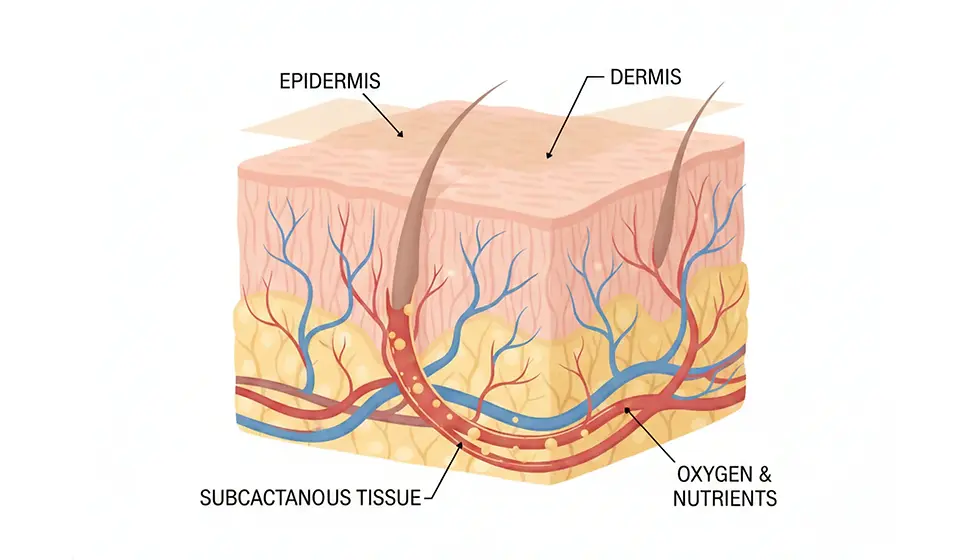
After microneedling, it’s very common for your skin to feel unfamiliar for a few days. You might touch your face and notice that it feels warmer than usual, a bit tight, or more sensitive than you’re used to. Even when the treatment itself was gentle, this change can still happen. The reason is simple: microneedling intentionally tells your skin that it needs to repair itself. Those tiny pinpoints act like a signal, switching the skin from its normal routine into a focused healing mode.
While this is happening, things under the surface are more active than they appear. Blood flow to the treated area increases so the skin can deliver oxygen and nutrients where they’re needed. This extra circulation is helpful, but it can also make the skin flush more easily or react faster to heat, movement, or touch. Activities that normally wouldn’t register on your skin might suddenly feel more noticeable, even though nothing is actually wrong.
At the same time, the outer layer of your skin is temporarily less protective than usual. This layer normally helps buffer the skin from everyday stress, like friction, temperature changes, or light pressure. While it’s recovering, the skin has less tolerance, so small sensations stand out more. That’s why the skin can feel “off” for a short while and why it often benefits from a calmer approach until everything settles again.
Why Workouts Matter During Microneedling Recovery?

Many people asking can you workout after microneedling focus only on timing, but workouts can influence healing in ways that are not always obvious at first. Physical training naturally increases circulation, raises body temperature, and places the body under controlled stress. While these responses are part of a healthy workout, they can also change how healing skin feels and behaves during this sensitive phase.
One of the main effects people notice is that redness or warmth may last longer after a workout than it otherwise would. Sweat, prolonged exertion, and repeated movement can make the skin feel more reactive later in the day, even if everything felt fine during the workout itself. In some cases, sensitivity shows up gradually rather than immediately, which is why the impact of workouts is sometimes underestimated during recovery.
Workouts can also affect comfort rather than healing itself. Tight clothing, friction, warm environments, and extended sessions can make the skin feel irritated or overstimulated while it is still adjusting. These effects do not necessarily mean damage is occurring, but they can influence how smooth or comfortable the recovery feels. Understanding these possible effects helps explain why workouts deserve attention during microneedling recovery before deciding when and how to return to them.
What Determines Whether You Can Workout After Microneedling?
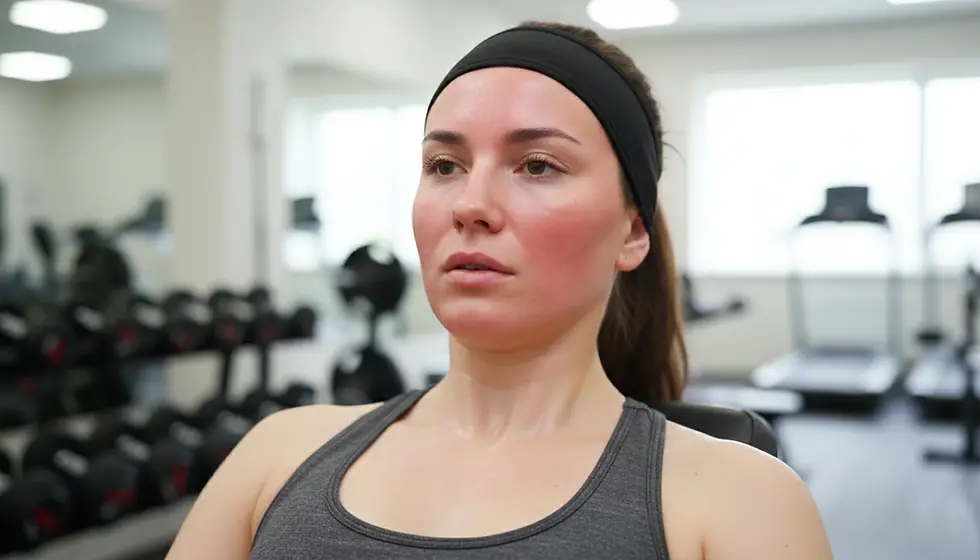
Deciding the answer to the question can you workout after microneedling is rarely about following a strict rule or waiting for a specific number of hours to pass. What matters far more is how your skin is actually responding during recovery and how much additional stress it can tolerate at that stage. Even after very similar treatments, people often experience different reactions, which is completely normal. Healing does not always match appearances either. Skin may look calm on the surface while still feeling sensitive underneath, or it may feel fine earlier in the day and become more reactive later on. For this reason, understanding what influences skin tolerance usually leads to better decisions than relying on a single timeline or fixed guideline.
Workout Intensity
One of the most influential factors is how demanding a workout is on the body. Not all workouts place the same level of stress on your system. Some involve slow, controlled movement that keeps your heart rate relatively steady, while others push your body harder, increasing heat, circulation, and sweat.
As intensity increases, the body works harder to regulate itself, and healing skin tends to respond more noticeably to those changes. A workout that leaves you flushed, overheated, or heavily sweating creates a very different internal environment than one that feels relaxed and controlled. This does not mean higher-intensity workouts are harmful by default, but it does mean they interact more strongly with skin that is still adjusting.
Another important point is that intensity is personal. What feels light to one person may feel challenging to another. Because of this, labels like “easy” or “hard” are less useful than paying attention to how your body reacts during and after a session. The more effort your body has to make, the more likely your skin is to react during recovery.
Depth and Type of Microneedling Treatment
The details of the microneedling treatment itself play a major role in how recovery feels. Light, superficial treatments usually trigger a milder repair response and allow the skin to settle more quickly, even if there is some initial sensitivity. Deeper treatments activate a stronger healing process and often keep the skin in a reactive state for longer.
This is where confusion often comes in. Redness may fade and the skin may look normal, but deeper layers can still be actively repairing. When longer needle depths are used or when treatments include active serums, sensitivity can linger in ways that are not immediately visible, and the skin may react more strongly to physical stress even when it appears calm.
Area Treated
Where microneedling was performed also affects how workouts interact with recovery. Facial skin is thinner, more exposed, and constantly moving throughout the day. During physical activity, increased blood flow, sweating, and facial movement tend to show up quickly, which makes the face more reactive during workouts.
When microneedling is done on the body, the experience is often different. The skin may be thicker and less exposed, but other factors become more important. Clothing, pressure, and repeated rubbing during movement can irritate treated areas, especially if fabrics are tight or the same motion is repeated over and over. In these situations, discomfort is often related to friction and contact rather than to physical exertion itself.
Your Skin’s Current Condition
Beyond all other factors, your skin’s current condition plays a central role in how it responds to activity. Time since treatment can offer a general reference, but it does not fully reflect how your skin feels in the moment. Skin that still feels warm, tender, tight, or easily irritated is usually still healing, while skin that feels calmer and more comfortable tends to tolerate movement more easily, making it helpful to adjust activity based on these signals rather than relying on a fixed timeline.
When Can You Workout After Microneedling?
Going back to working out after microneedling is usually a gradual process rather than a single moment when everything suddenly feels normal again. This is often the stage where people start asking, how long after microneedling can I workout, but skin recovery does not follow a strict schedule. Healing happens in phases, and tolerance for movement and exertion builds over time. What feels manageable one day may feel like too much the next, which is why it helps to think of recovery as a progression, where the skin slowly regains balance and becomes better able to handle physical activity as healing continues.
0–24 Hours After Microneedling
The first day after treatment is typically the most sensitive period. Even if the skin does not look particularly red, internal healing is still very active. During this time, physical exertion often adds more stress than the skin can comfortably manage. Many people notice increased warmth or flushing if they try to be active too soon, which is why rest generally feels more supportive during this window.
24–36 Hours After Microneedling
During this stage, the skin often begins to feel more settled, and it can be tempting to return to normal routines. However, sensitivity may still be present beneath the surface. This period is often better suited for paying attention to how the skin feels rather than pushing it. Gentle movement may feel comfortable if the skin feels calm, but anything that leads to noticeable heat or sweating can still feel overwhelming.
36–48 Hours After Microneedling
This window is commonly a transition phase. Some people find that their skin tolerates light to moderate activity without issue, while others still experience lingering sensitivity. Because responses vary, shorter and less demanding sessions are often easier to tolerate than long or intense workouts.
48–72 Hours After Microneedling
For many people, tolerance improves more noticeably during this time. The skin has usually regained more balance and can handle regular movement more comfortably. That said, very intense workouts or hot environments may still feel challenging, especially for those with sensitive skin or deeper treatments.
Beyond 72 Hours
After several days, most people can return to their usual workout routine if their skin feels normal, cool, and comfortable. When sensitivity lasts longer than expected, it often reflects the depth of the treatment or an individual healing pattern rather than a problem. In these cases, giving the skin a bit more time can help protect both comfort and results.
Can I Wash My Face After Microneedling?

After microneedling, washing your face can suddenly feel less straightforward than it normally does. Even though cleansing is part of an everyday routine, the skin behaves differently during recovery. It is more sensitive, more reactive, and less tolerant of habits that usually feel harmless. This is why the question is not just whether you can wash your face, but how to do it in a way that supports healing instead of interfering with it. Small choices during this stage can have a noticeable impact on how comfortable your skin feels and how smoothly it recovers.
When to Wash Your Face
There is no exact moment when washing your face suddenly becomes safe for everyone. Skin does not recover on a strict schedule, so paying attention to how it feels is usually more helpful than counting hours. If your skin still feels warm, tight, or unusually sensitive, it is often a sign that it needs a little more time before cleansing.
As that early sensitivity starts to settle, the skin usually feels calmer and more comfortable to the touch. This is often when gentle washing feels easier and less irritating. Letting your skin guide the timing, rather than relying on the clock, tends to make the recovery process smoother and more comfortable overall.
How to Wash Your Face Safely After Microneedling
Once you begin washing your face again, the goal is not to cleanse deeply or thoroughly. At this stage, the skin does not benefit from extra stimulation or a “squeaky clean” feeling. What it needs most is support. Keeping the process gentle and controlled helps maintain balance while the skin continues to heal beneath the surface.
How Much Pressure Is Safe on Treated Skin?
Pressure plays a bigger role than many people expect, especially while the skin is still recovering. Even light friction can feel more intense at this stage, which is why using gentle, careful movements with your fingertips matters so much. Scrubbing, rubbing, or applying firm pressure can strain healing skin and keep sensitivity around longer than necessary. During early recovery, a soft touch usually supports the skin better than trying to achieve a perfectly clean or polished feel.
Choosing a Cleanser That Won’t Irritate Healing Skin
The cleanser you choose matters more than how refreshed your skin feels afterward. During this phase, simple and fragrance-free cleansers without active ingredients are usually the safest option, because they clean the skin without stripping it or triggering unnecessary reactions. This is not the right time for exfoliating acids, retinoids, or strong foaming formulas, even if your skin normally tolerates them well. Keeping things gentle helps reduce discomfort and supports a steadier, more comfortable recovery.
Does Water Temperature Affect Skin Recovery?
Water temperature can quietly influence how your skin reacts during cleansing. Lukewarm water is usually the most comfortable choice, as it cleans without irritating the skin. Hot water can increase redness and sensitivity, while cold water may feel unpleasant on skin that is still settling. Keeping the temperature moderate helps the skin stay calm and avoids unnecessary stimulation during washing.
The Right Way to Wash Your Face During Recovery
Technique is what brings all the small details together during recovery. Using clean hands instead of tools, moving slowly, and keeping your touch light all help reduce friction and unnecessary stress on the skin. Brushes, washcloths, and rough motions can feel harmless in daily routines, but during healing they can easily irritate skin that is still sensitive. Slowing down and being intentional with each step helps keep cleansing supportive rather than disruptive.
After rinsing, how you dry your skin matters just as much. Gently patting your face dry with a clean, soft towel is far kinder to healing skin than rubbing. This final step may seem minor, but it plays an important role in protecting sensitive skin and keeping the entire cleansing process aligned with recovery rather than habit.
Simple Habits That Help Protect Your Results

After microneedling, protecting your results is less about doing more and more about avoiding unnecessary stress on the skin. Your skin is already in repair mode, and keeping things calm allows that process to continue without interruption.
One of the most helpful habits during recovery is sticking to a minimal routine. Introducing new products, changing skincare too often, or reaching for active ingredients too soon can overwhelm healing skin. Familiar, gentle products usually support recovery far better than experimenting at this stage.
Small everyday behaviors also make a bigger difference than most people expect. Touching your face frequently, sleeping on unclean pillowcases, or letting clothing and fabrics rub repeatedly against treated skin can add irritation gradually, without being obvious right away. Being slightly more mindful about contact and cleanliness helps keep recovery on track.
Other lifestyle habits work quietly in the background. Limiting direct sun exposure, staying hydrated, and getting enough rest all support the skin’s ability to repair itself. These steps may not feel dramatic, but they often determine how smoothly the skin settles.
When You Should Contact a Professional
Most skin reactions after microneedling are mild and improve gradually on their own, but it is a good idea to contact a professional if your skin starts to feel worse instead of better. Ongoing redness, swelling, or discomfort that does not settle, as well as persistent burning or pain, are signs that your skin may need extra guidance. In general, if something about your recovery feels unusual or concerning to you, a quick check-in can provide reassurance and help you decide on the next step.
Final Thoughts
Can you workout after microneedling? Answer of this question ultimately depends on understanding how your skin heals and adjusting your routine accordingly, not rushing back based on a fixed timeline. Exercise, cleansing, and everyday habits can either support recovery or make it feel more uncomfortable if they’re out of sync with what your skin needs. Paying attention to intensity, treatment depth, and real skin signals helps protect both comfort and results. If you ever need guidance tailored to your treatment, clinics like Lumina Laser Centre, known for Microneedling North Vancouver, can help you navigate recovery with confidence.
FAQ
Can you workout after microneedling?
Yes, you can work out after microneedling, but not right away and not without paying attention to how your skin feels. After treatment, the skin is more sensitive and reactive, so intense exercise can make redness, warmth, or irritation last longer. Most people do better by waiting until the skin feels calm and comfortable before returning to workouts, especially anything that causes heavy sweating.
How long after microneedling can I workout?
There is no single timeline that works for everyone. Many people start asking how long after microneedling can I workout within the first day, but healing does not follow a strict schedule. Some skin tolerates light activity after 24 hours, while others need 48 to 72 hours or more. The most reliable guide is how your skin feels rather than the number of hours that have passed.
Does sweating affect microneedling recovery?
Sweating can affect how comfortable recovery feels. Heat and sweat increase skin stimulation and may cause redness or sensitivity to linger longer, especially in the first couple of days. While sweating does not usually cause damage, it can make healing skin feel more irritated, which is why intense workouts are often harder to tolerate early on.
Can I wash my face after microneedling if I worked out?
Yes, but only if your skin feels calm enough to tolerate cleansing. Washing should be gentle, using clean hands, light pressure, a mild cleanser, and lukewarm water. Scrubbing, hot water, or strong products can irritate healing skin, especially after sweating. Keeping cleansing simple helps support recovery rather than disrupt it.
Scientific Resources
1- Singh A, Yadav S.
J Dermatolog Treat. 2016
2- Proksch E, Brandner JM, Jensen JM.
Exp Dermatol. 2008
3- Pedersen BK, Hoffman-Goetz L.
Sports Med. 2000
4- Hou A, Cohen B, Haimovic A, Elbuluk N.
Dermatol Ther. 2017


Comments